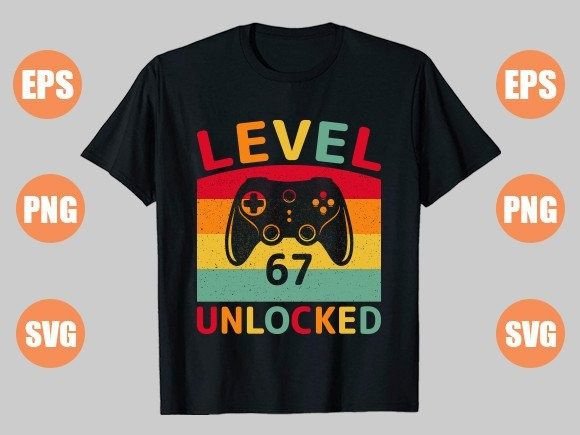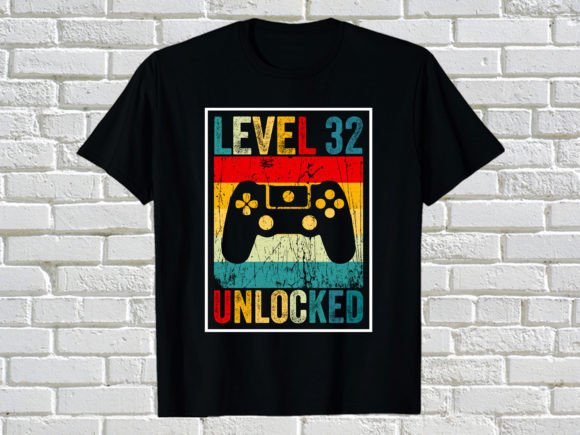
LEVEL 32 UNLOCKED: Graphics for T-Shirt Designs
As a graphic designer who has spent the last decade navigating the chaotic intersection of brand identity and print-on-demand markets, I approach every new asset with a healthy dose of skepticism. We are constantly bombarded with digital products that promise versatility but deliver clutter. However, when I recently pulled LEVEL 32 UNLOCKED into my workspace for a client project involving a boutique gaming apparel line, my initial impression was surprisingly positive. This isn't just another generic clipart dump; it is a curated graphic design asset that understands the specific aesthetic language of retro-gaming culture.
The Visual Mood and First Impressions
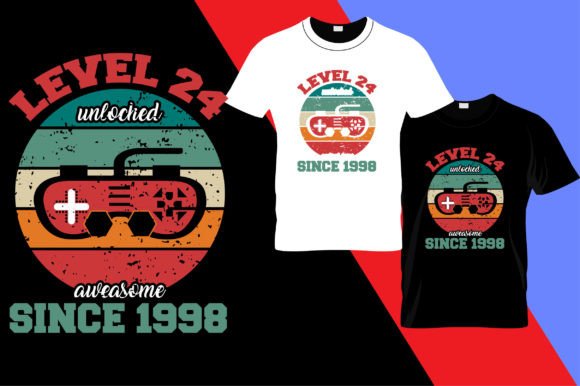
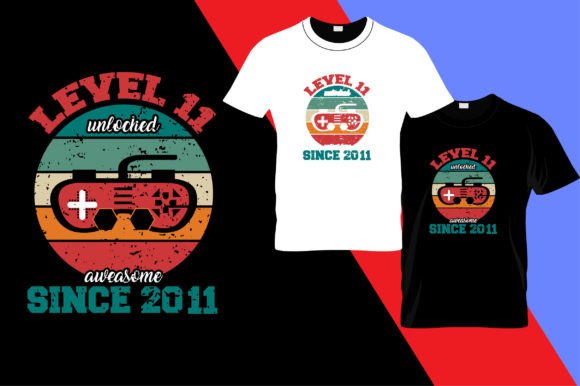
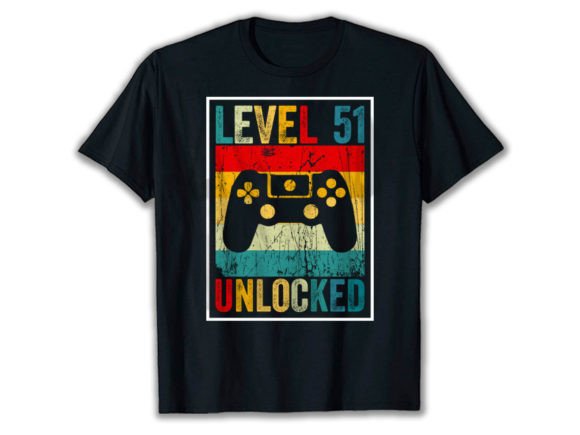
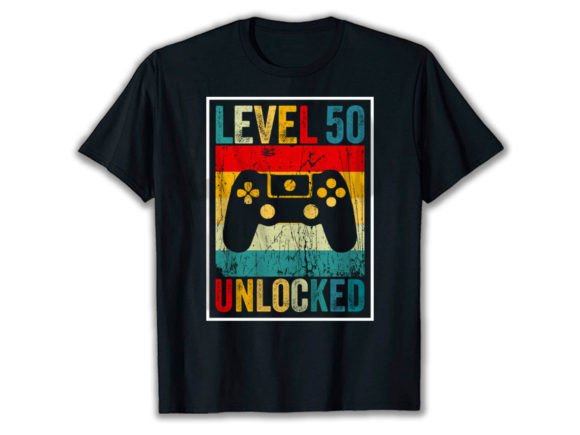
The moment you open the files, the vintage influence is undeniable. The design captures that specific nostalgia associated with 8-bit and 16-bit eras without feeling dated or low-resolution. For a designer, this is crucial. We aren't just looking for "old"; we are looking for "timeless cool." The visual elements feel robust, with clean lines that suggest high-quality vector origins. This matters immensely when you are scaling a design from a small sticker to a large poster.
In terms of style, LEVEL 32 UNLOCKED sits comfortably in the realm of modern retro. It fits naturally into projects that require a playful yet polished tone. I immediately saw its potential for a small business branding campaign targeting millennials who grew up with consoles. The mood is celebratory and energetic, making it an excellent choice for milestone markers, birthday invitations, or achievement-based marketing visuals.
Performance in Real Client Projects
I tested this asset across several mediums to gauge its true versatility. The primary application was, of course, T-Shirt Designs. In the world of print-on-demand, clarity is king. The design held up exceptionally well on dark heather gray fabric, proving that the contrast ratios were well-considered by the creator. But its utility extends far beyond apparel.
For those running an Etsy product shop, this file is a goldmine. I imported the SVG into my cutting software for a quick Cricut project involving vinyl decals. The paths were clean, requiring minimal node editing—a huge time saver when you are fulfilling bulk orders. Whether you are creating sticker design sheets, custom mug wraps, or tote bag prints, the scalability of the vector formats ensures crisp edges at any size.
Beyond physical products, I explored its use in digital spaces. The PNG files, with their transparent backgrounds, integrated seamlessly into social media graphics for Instagram stories. I used it as a decorative accent in a Canva template for a tech blog, where it served as a visual break between text sections. It also worked surprisingly well in packaging design for a limited-edition snack box, adding a layer of gamified fun to the unboxing experience.
Strategic Placement and Visual Hierarchy
Understanding where to place LEVEL 32 UNLOCKED is key to maintaining professional standards. This asset shines in large layout areas where it can act as a hero graphic. It commands attention, making it ideal for homepage banners, event flyers, or the front center of a garment. When used as a focal point, it strengthens the visual hierarchy by drawing the eye immediately to the core message of achievement or celebration.
However, designers must exercise caution. This is not a subtle background element. Using it in crowded layouts or placing it over complex, busy backgrounds will diminish its impact and create visual noise. It should be avoided in minimalist corporate branding or professional editorial designs that require strict neutrality. The playful nature of the illustration clashes with serious financial or legal contexts. Always ensure there is sufficient white space around the graphic to let it breathe.
Technical Review and File Formats
From a technical standpoint, the inclusion of EPS, SVG, PNG, and DXF files covers the entire spectrum of modern design needs. The EPS and SVG files are essential for logo design adaptations or large-format printing, allowing for infinite scaling without quality loss. The DXF file is a thoughtful addition for users of industrial cutting machines, expanding the market reach for sellers.
The PNG files provided are high-quality RGB, which is standard for screen-based web design and digital ads. However, before sending any file to print, I always recommend converting your color profile to CMYK if your printer requires it, although most modern POD services handle RGB conversions adequately. I inspected the transparency on the PNGs and found no jagged edges or halo effects, which is a common issue with lower-quality design assets.
Practical Designer Notes for Commercial Use
Before integrating LEVEL 32 UNLOCKED into a paid client project, follow these practical steps:
- Test in Monochrome: Print a black-and-white version to ensure the design remains recognizable without color. This is vital for cost-effective single-color screen printing.
- Check Contrast: Preview the asset on both light and dark backgrounds. While it performed well on dark fabrics, ensure it has enough weight to stand out on pastel or white surfaces.
- Verify Licensing: Always confirm the commercial license terms. Ensure you are allowed to use the asset in end-products for sale, such as sublimation design items or printed merchandise.
- Font Pairing: If you add text, pair this graphic with clean sans serif fonts for a modern look, or chunky display fonts to enhance the retro vibe. Avoid delicate script fonts that may get lost against the bold lines of the graphic.
- Mockup Validation: Never rely solely on the flat file view. Place the design on real product mockups to see how it interacts with fabric textures and folds.
In conclusion, LEVEL 32 UNLOCKED is a robust addition to any designer’s library. It bridges the gap between nostalgic charm and modern production requirements. For handmade business owners and creative professionals looking to add a touch of gamified energy to their marketing visuals, this asset delivers. It is not just a file; it is a tool for storytelling, helping brands connect with audiences through shared cultural references. When used with intention and technical precision, it elevates the perceived value of any creative design project.